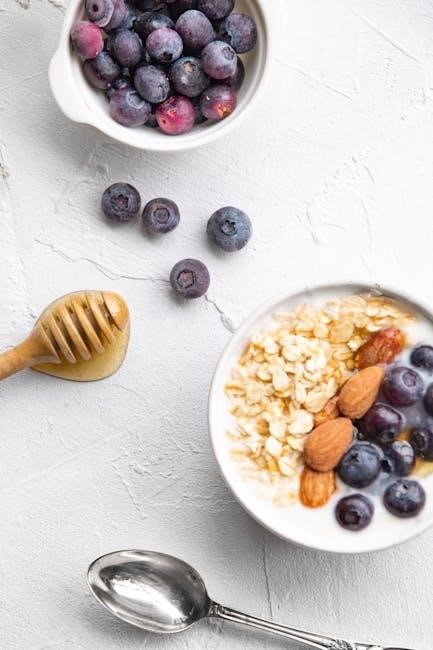
Low-Fat Diet Food List: An Overview
Exploring low-fat eating involves accessing comprehensive PDF resources detailing acceptable foods. These guides often categorize options – lean proteins, complex carbs, and produce – for effective meal planning.
Understanding Low-Fat Diets
Delving into low-fat diets requires understanding their core principles, often detailed within accessible PDF guides. These resources typically emphasize reducing overall fat intake, particularly saturated and trans fats, while prioritizing nutrient-dense foods. A successful low-fat approach isn’t about eliminating fat entirely, but rather focusing on healthier sources and moderation.
PDF food lists categorize options like lean proteins (poultry, fish, beans), complex carbohydrates (whole grains), and abundant fruits & vegetables. These guides often highlight the importance of reading food labels to identify hidden fats in processed foods. Understanding portion sizes and cooking methods – baking, grilling, steaming – are also crucial components detailed in these downloadable resources, promoting sustainable dietary changes.
The Benefits of a Low-Fat Diet
Adopting a low-fat diet, guided by resources like comprehensive PDF food lists, offers numerous health advantages. Primarily, it can contribute to weight management by reducing calorie intake, as fat contains more calories per gram than protein or carbohydrates. Furthermore, lowering fat consumption, particularly saturated and trans fats, supports cardiovascular health by reducing LDL cholesterol levels.
PDF guides often detail how a low-fat approach can improve insulin sensitivity, potentially lowering the risk of type 2 diabetes. They also emphasize the benefits for digestive health, as high-fat diets can sometimes contribute to digestive discomfort; Accessing these lists empowers individuals to make informed food choices, promoting overall well-being and a healthier lifestyle.
Debunking Low-Fat Food Myths
Many believe “low-fat” automatically equates to “healthy,” a misconception often addressed in detailed PDF food lists. These resources reveal that some low-fat products compensate for flavor loss with added sugars and sodium, potentially negating health benefits. Another myth is that all fats are bad; PDF guides highlight the importance of healthy fats in moderation.
Furthermore, the idea that low-fat diets are solely for weight loss is inaccurate; They can also improve cholesterol levels and heart health. PDFs often clarify that eliminating all fat can hinder nutrient absorption. Understanding these nuances, as presented in comprehensive lists, is crucial for a balanced and effective dietary approach, moving beyond simplistic labeling.
Core Food Groups for a Low-Fat Diet
PDF lists emphasize four key groups: lean proteins, low-fat dairy, complex carbohydrates, and abundant fruits & vegetables – building blocks for a nutritious, balanced plan.
Lean Protein Sources
PDF guides dedicated to low-fat diets consistently highlight the importance of incorporating lean protein sources. These are crucial for satiety, maintaining muscle mass, and supporting overall metabolic function without contributing excessive fat intake. Excellent choices frequently listed include skinless poultry – chicken and turkey breast are staples – and a variety of fish, particularly white fish like cod or haddock.
Legumes and beans also feature prominently, offering both protein and fiber. Lean cuts of beef and pork, trimmed of visible fat, can be included in moderation. Many PDF resources provide specific serving sizes to ensure adherence to fat-limiting guidelines. Remember to prioritize baking, grilling, or steaming over frying to preserve the low-fat profile of these protein options.
Low-Fat Dairy Options
PDF resources detailing low-fat diets emphasize careful selection within the dairy group. Full-fat dairy products are often restricted due to their saturated fat content, but lower-fat alternatives can still provide essential calcium and vitamin D. Skim milk (fat-free milk) is a primary recommendation, alongside low-fat or non-fat yogurt – opting for plain varieties to avoid added sugars.
Reduced-fat cheeses, such as part-skim mozzarella or cottage cheese, can be incorporated in limited quantities. Many PDF guides offer comparisons of fat content across different dairy products, aiding informed choices. Be mindful of hidden fats in flavored yogurts or processed cheese spreads; always check the nutrition label. Prioritizing these options supports a low-fat intake while maintaining nutritional benefits.
Complex Carbohydrates
PDF guides for low-fat diets consistently highlight the importance of complex carbohydrates over simple sugars. These carbohydrates provide sustained energy and fiber, promoting satiety and aiding weight management. Excellent choices include whole grains like brown rice, quinoa, and oats. Many resources detail portion sizes to ensure calorie control.
Legumes and beans are also categorized as complex carbohydrates, offering both fiber and protein. Starchy vegetables, such as sweet potatoes and corn, can be included in moderation. PDF documents often provide meal planning suggestions incorporating these foods. Avoiding refined grains – white bread, pasta – is crucial, as they offer minimal nutritional value and can hinder weight loss efforts. Prioritize whole, unprocessed options.
Fruits and Vegetables
PDF low-fat diet lists universally emphasize abundant fruit and vegetable consumption. These provide essential vitamins, minerals, and fiber with minimal fat content. Non-starchy vegetables – leafy greens, broccoli, peppers – are particularly encouraged for their low calorie density. Fruits offer natural sweetness, satisfying cravings without added sugars.
Many PDF guides categorize fruits and vegetables, suggesting daily serving sizes. Berries, apples, and citrus fruits are frequently recommended. While starchy vegetables like potatoes are permissible, moderation is key. Resources often include recipes showcasing creative ways to incorporate these foods into meals. Prioritizing variety ensures a broad spectrum of nutrients, supporting overall health and weight management goals.
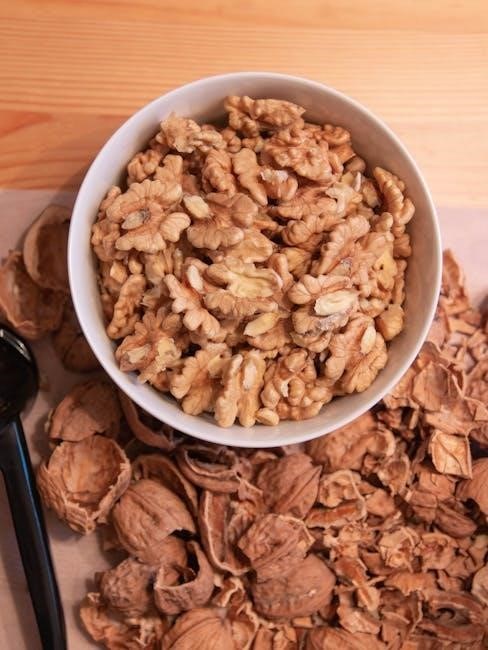
Specific Low-Fat Food Choices
PDF lists detail specific choices: skinless poultry, fish, legumes, and whole grains. They highlight portion control and preparation methods for optimal low-fat intake.
Poultry and Fish
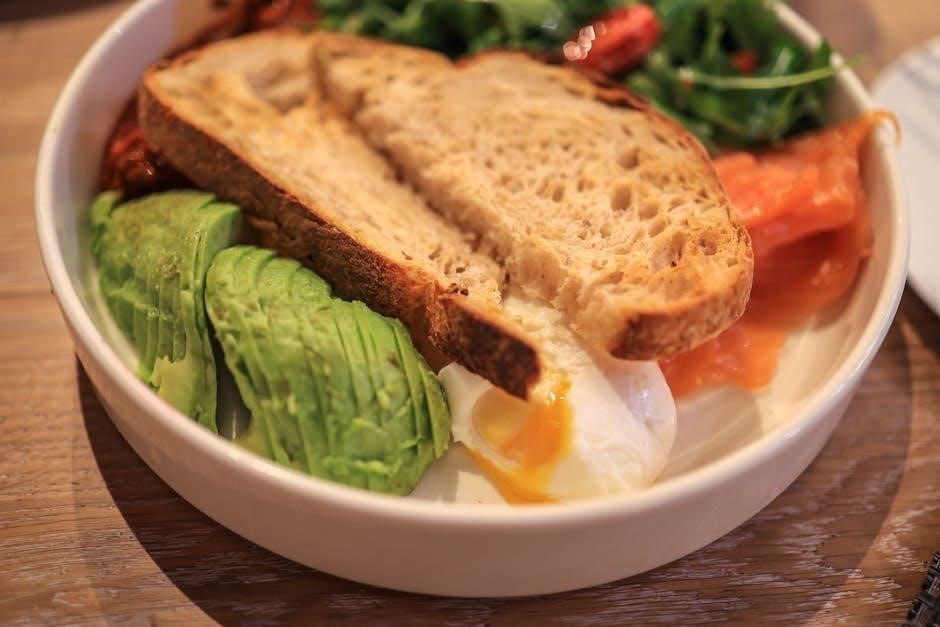
Poultry, a cornerstone of many low-fat diets, offers lean protein when prepared correctly. PDF guides emphasize removing skin before cooking, significantly reducing fat content. Chicken breast and turkey breast are frequently recommended, while darker meat should be consumed in moderation.
Fish provides another excellent source of protein and beneficial omega-3 fatty acids. Opt for baked, grilled, or steamed preparations rather than fried options. Fatty fish like salmon, while higher in fat, offer heart-healthy benefits and can be included in a balanced low-fat plan.
PDF resources often include charts detailing the fat content per serving for various types of poultry and fish, aiding in informed food choices. They also suggest marinades and seasonings to enhance flavor without adding unhealthy fats.
Legumes and Beans
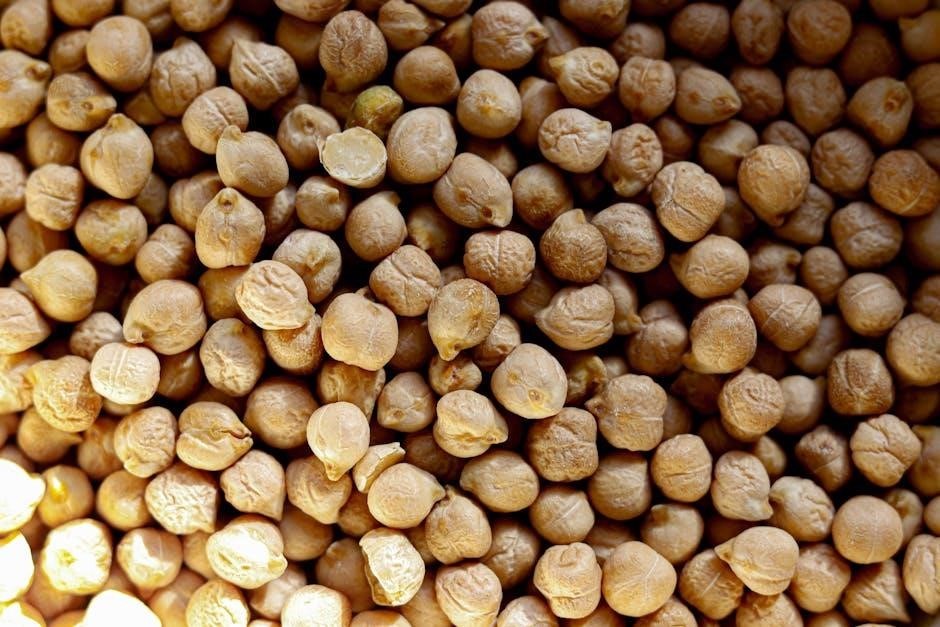
Legumes and beans are nutritional powerhouses, naturally low in fat and rich in fiber and protein – ideal for a low-fat diet. PDF guides frequently highlight their versatility and affordability. Options like lentils, chickpeas, black beans, and kidney beans are excellent additions to soups, salads, and main courses.
These foods contribute to feelings of fullness, aiding in weight management. However, PDF resources caution against adding high-fat ingredients during preparation. Avoid frying beans or using excessive oil in cooking.
Many guides provide recipes specifically designed for low-fat cooking with legumes, emphasizing flavorful seasonings and vegetable-based sauces. They also detail the nutritional benefits per serving, helping individuals make informed dietary choices.
Whole Grains
Whole grains form a cornerstone of a healthy, low-fat diet, providing sustained energy and essential nutrients. PDF diet lists emphasize choosing whole-grain options over refined grains for maximum benefit. Examples include brown rice, quinoa, oats, barley, and whole-wheat bread.
These grains are naturally low in fat and contribute significantly to daily fiber intake, promoting digestive health and satiety. PDF resources often detail portion sizes to ensure calorie control.
Guides frequently suggest incorporating whole grains into various meals – oatmeal for breakfast, quinoa salads for lunch, or brown rice as a side dish with dinner. They also caution against adding excessive fats during preparation, like butter or creamy sauces.
Healthy Fats in Moderation
While a “low-fat” diet doesn’t mean “no fat,” PDF food lists highlight the importance of choosing fats wisely and consuming them in moderation. Unsaturated fats – monounsaturated and polyunsaturated – are beneficial for heart health and overall well-being.
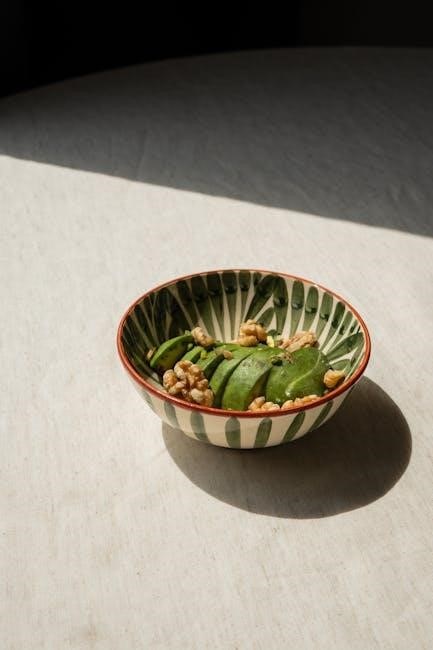
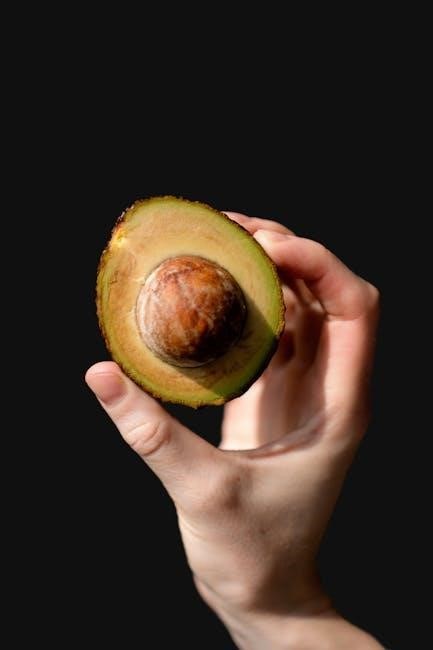
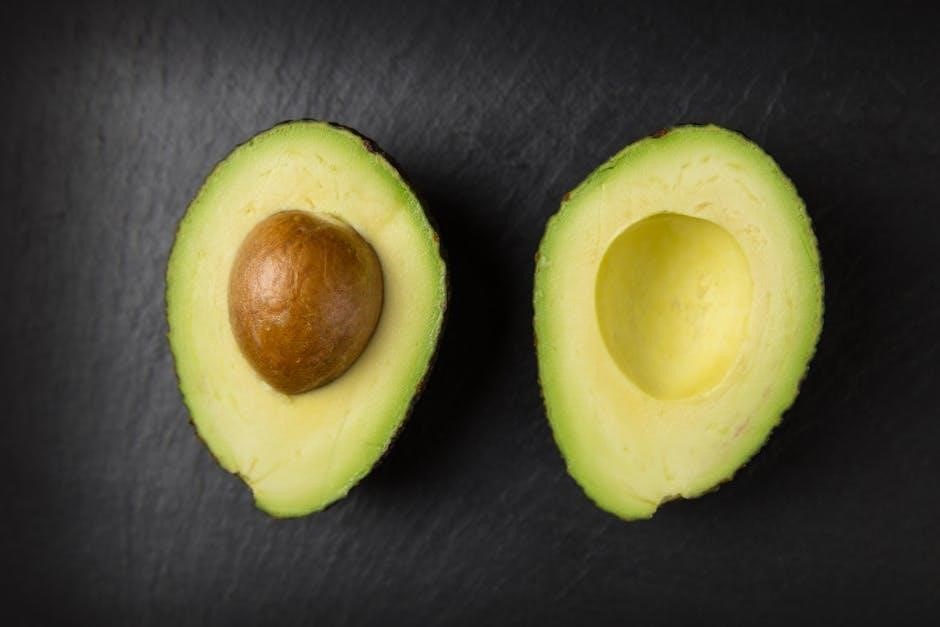
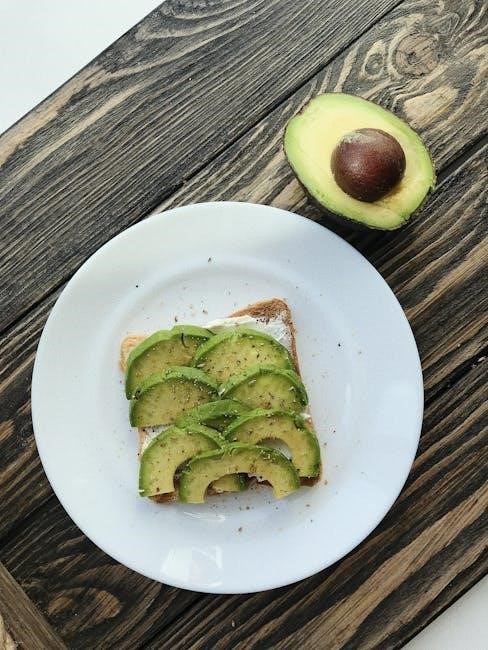
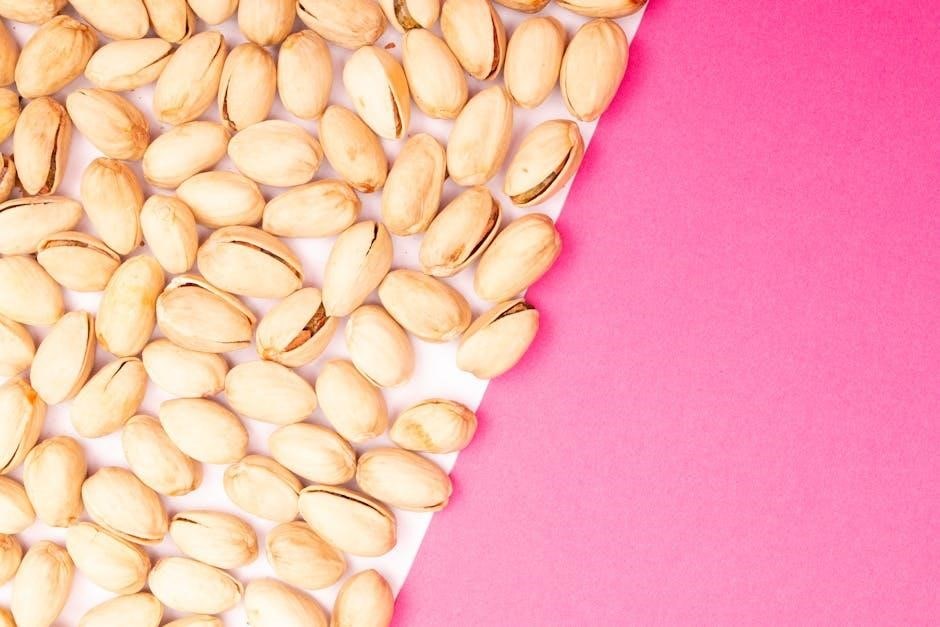
Sources like avocados, nuts, seeds, and olive oil should be included in small amounts. PDF guides often provide specific serving sizes to help maintain a low-fat intake while still reaping the benefits of these essential nutrients.
It’s crucial to avoid trans fats and limit saturated fats, as these can negatively impact cholesterol levels. Detailed PDF resources will often list foods to avoid or consume sparingly.
Creating a Low-Fat Meal Plan
PDF lists simplify planning by categorizing low-fat foods. Utilize these resources to build balanced meals featuring lean proteins, complex carbs, and vibrant produce daily.
Sample Breakfast Ideas
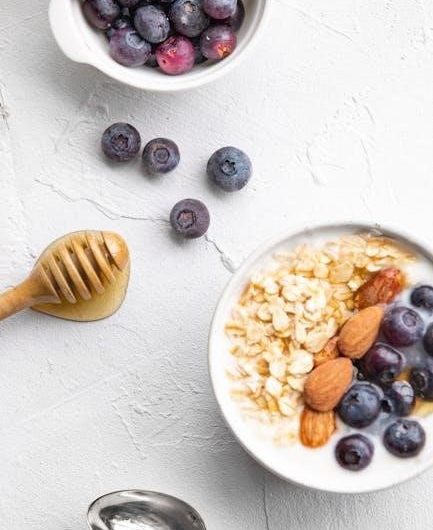
Kickstart your day with low-fat breakfasts guided by a PDF food list! Oatmeal, prepared with water or skim milk and topped with berries, is a fantastic choice. Consider whole-wheat toast with a thin spread of avocado – healthy fats in moderation are key.
Greek yogurt (non-fat) paired with fruit and a sprinkle of nuts provides protein and fiber. Scrambled egg whites with spinach and mushrooms offer a savory option. Smoothies, blending fruits, vegetables, and a protein source like whey powder, are quick and nutritious.
Remember to consult your PDF guide to ensure portion sizes align with your dietary goals. Avoid sugary cereals and pastries, opting instead for whole, unprocessed foods. These breakfasts will fuel your morning without excess fat!
Low-Fat Lunch Options
Utilize your PDF low-fat food list to build satisfying lunches! A large salad with grilled chicken or fish, loaded with vegetables and a light vinaigrette, is an excellent choice. Turkey breast sandwiches on whole-wheat bread with mustard and plenty of lettuce are also great.
Consider lentil soup or a bean salad – legumes are packed with protein and fiber. Leftovers from a healthy dinner, like baked chicken and steamed vegetables, make for a convenient and nutritious lunch.
Always check your PDF for appropriate portion sizes. Avoid creamy dressings, fried foods, and processed meats. Packing your lunch ensures you stay on track with your low-fat diet goals throughout the workday!
Dinner Recipes for Weight Management
Refer to your PDF low-fat food list when planning dinners! Baked salmon with roasted vegetables – broccoli, carrots, and sweet potatoes – is a fantastic option, providing lean protein and essential nutrients. Chicken stir-fries using minimal oil and plenty of colorful vegetables are quick and healthy.
Lentil shepherd’s pie, substituting lean ground turkey for beef and using a mashed cauliflower topping, is a comforting yet weight-conscious meal. Explore recipes featuring beans and whole grains.
Remember to control portion sizes as indicated in your PDF guide. Prioritize grilling, baking, or steaming over frying. A flavorful, low-fat dinner supports effective weight management!
Resources and Further Information
Downloadable PDF lists simplify low-fat food choices. Online recipe databases and food label guides enhance understanding, supporting informed dietary decisions for lasting health.
Finding Low-Fat Recipes Online
Numerous websites offer a wealth of low-fat recipes, often categorized for easy browsing. Searching for “low-fat diet food list PDF” yields downloadable resources detailing acceptable foods and meal ideas. Many health and wellness sites provide recipe filters, allowing users to specify dietary restrictions, including fat content.
Dedicated food blogs frequently feature low-fat adaptations of classic dishes, promoting healthier eating habits. Online communities and forums also serve as valuable platforms for sharing recipes and tips. Remember to critically evaluate recipes, ensuring they align with your individual nutritional needs and preferences. Utilizing a PDF food list alongside online recipes streamlines meal planning and grocery shopping, fostering adherence to a low-fat dietary approach.
Understanding Food Labels
Decoding food labels is crucial when following a low-fat diet. A “low-fat” designation doesn’t always equate to healthy; scrutinize the total fat, saturated fat, and trans fat content per serving. Utilize a PDF low-fat diet food list as a quick reference guide while grocery shopping.
Pay attention to serving sizes, as nutritional information is based on these. Be wary of “hidden fats” in processed foods, sauces, and dressings. Check the ingredient list for oils, butter, and cream. Comparing labels across similar products helps identify lower-fat alternatives. Understanding these details empowers informed food choices, supporting successful adherence to your dietary goals and complementing your PDF resource.
PDF Resources for Low-Fat Dieting
Numerous PDF resources offer comprehensive low-fat diet food lists, streamlining meal planning. These downloadable guides often categorize foods – proteins, carbohydrates, fruits, and vegetables – by fat content, simplifying grocery shopping. Many include sample meal plans and recipes tailored to low-fat principles.
Search online for reputable sources like health organizations or registered dietitians offering these PDFs. Look for lists detailing serving sizes and nutritional information. Printable versions are convenient for kitchen display. Utilizing these resources alongside online recipes ensures a well-rounded and sustainable approach to low-fat eating, promoting long-term health and dietary success.
Addressing Common Concerns
PDF guides clarify fat’s role, helping avoid hidden fats in processed “low-fat” foods. Sustainable dieting requires balanced choices, not strict restriction.
The Role of Fat in a Healthy Diet
Many PDF resources on low-fat diet food lists often inadvertently create the misconception that fat is entirely detrimental. However, this isn’t accurate. Healthy fats are crucial for nutrient absorption, hormone production, and cell function.
The key isn’t complete elimination, but rather focusing on types of fat. Unsaturated fats – found in avocados, nuts, and olive oil – are beneficial; Conversely, limiting saturated and trans fats is vital.
These PDF guides should emphasize mindful fat consumption, not fear-based restriction. A balanced approach, incorporating healthy fats in moderation alongside lean proteins and complex carbohydrates, is essential for long-term health and well-being. Ignoring fat entirely can lead to deficiencies and hinder overall nutritional balance.
Avoiding Hidden Fats
Many low-fat diet food list PDF guides highlight obvious sources of fat, but often overlook “hidden” fats prevalent in processed foods. Sauces, dressings, and seemingly healthy snacks frequently contain surprisingly high levels of unhealthy fats.
Careful label reading is paramount. Pay attention to serving sizes and total fat content, scrutinizing ingredients for oils, butter, and cream. Marketing terms like “reduced-fat” can be misleading; always check the nutritional information.
These PDF resources should encourage cooking at home, allowing control over ingredients. Opting for grilling, baking, or steaming instead of frying minimizes added fats. Being a savvy consumer and understanding food labels is crucial for successfully navigating a low-fat diet.
Long-Term Sustainability of a Low-Fat Diet
Low-fat diet food list PDF resources often focus on initial weight loss, but long-term success hinges on sustainability. Restrictive diets are difficult to maintain; a balanced approach is key.
These guides should emphasize incorporating low-fat principles into a lifestyle, not a temporary fix. Focusing on whole, unprocessed foods, mindful eating, and regular physical activity fosters lasting habits.
A sustainable low-fat diet isn’t about complete fat elimination, but rather choosing healthy fats in moderation. PDF materials should advocate for gradual changes and personalized meal plans, acknowledging individual preferences and needs. Prioritizing enjoyment and flexibility increases adherence and long-term well-being.
 saskatchewan rental agreement pdf download
  low-fat diet food list pdf
  mitsubishi d700 instruction manual
  the house across the lake pdf
  heard on the wall street pdf