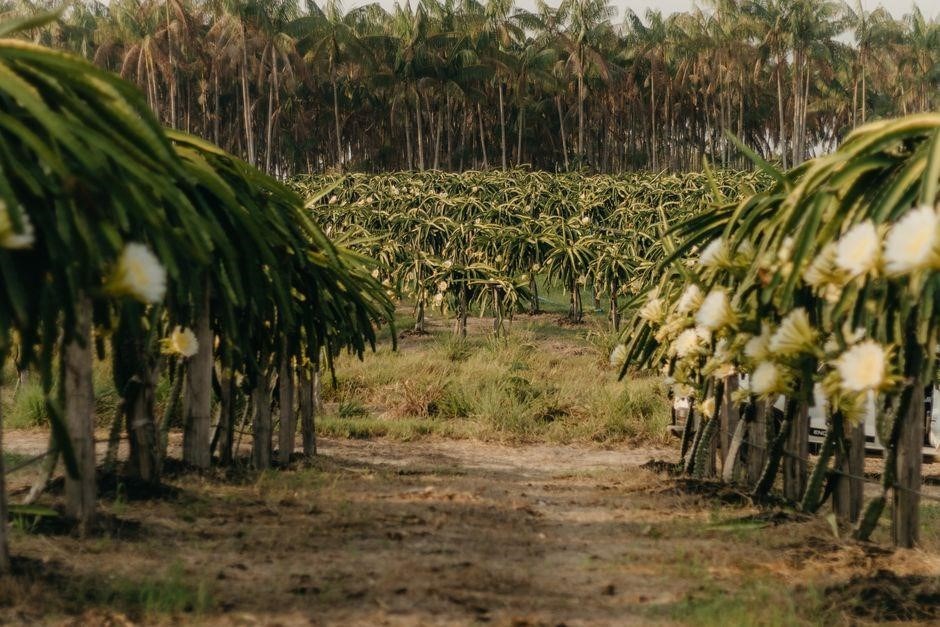
Dragon Fruit Diseases and Treatments PDF: An Overview
Comprehensive PDFs compile dragon fruit disease etiology, symptomatology, and management strategies for growers. They cover fungal, viral, bacterial, post-harvest issues offering guides, practices, chemical controls hot water treatments. These resources aid rapid decision-making and yield protection See PDF guide.
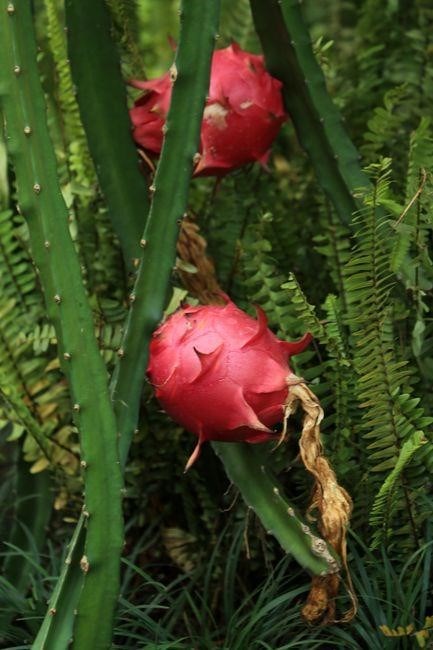
Fungal Pathogens Affecting Dragon Fruit
Colletotrichum gloesporioides causes stem canker, while Neoscytalidium dimidiatum induces fruit rot. Both thrive in humid climates, spreading via spores on wounds. Management includes cultural practices, fungicide sprays, and post‑harvest hot‑water treatments documented in PDF guides. and integrated management??
Stem Canker Caused by Colletotrichum gloesporioides
Colletotrichum gloesporioides is a hemibiotrophic fungus that targets dragon fruit (Hylocereus spp.), initiating infection through natural openings or wounds! In the early biotrophic phase, the pathogen colonizes living tissues, producing hyphae that penetrate epidermal cells and spread intercellularly. Symptoms appear as small, water‑soaked lesions that rapidly expand into sunken, necrotic cankers, often with a reddish‑brown margin! The canker can extend from the base of the stem to the trunk, compromising structural integrity and reducing fruit yield; Environmental conditions favoring disease include high humidity (≥80 %) and temperatures between 25–30 °C, which accelerate spore germination and infection rates. Management strategies documented in PDF resources emphasize cultural practices such as pruning infected limbs, ensuring adequate spacing for airflow, and removing fallen debris to reduce inoculum sources! Chemical control involves the application of systemic fungicides (e.g., carbendazim, mancozeb) at recommended intervals, with a focus on timing before symptom onset. Post‑harvest treatment protocols recommend hot‑water immersion (45–50 °C for 5–10 min) to eliminate latent spores on harvested stems, thereby reducing secondary spread! Integrated disease management also includes the use of resistant cultivars, when available, and the implementation of a disease‑free seedling program to prevent pathogen introduction. Monitoring programs that combine visual inspection with spore trapping can provide early warning, allowing growers to apply targeted fungicides and adjust cultural practices while minimizing environmental impact! Field trials published in 2024 demonstrate that a copper sulfate application for growers followed by Trichoderma atroviride reduces canker incidence by 55 % compared to fungicide treatments now! Finally, growers are advised to maintain a strict sanitation regime, removing fallen fruit and pruning debris to reduce inoculum reservoirs, thereby enhancing the overall efficacy of fungicidal applications now!
Fruit Rot Induced by Neoscytalidium dimidiatum
Neoscytalidium dimidiatum, a dematiaceous fungus, is an emerging pathogen of dragon fruit, causing soft, brown rot that rapidly spreads from the base of the fruit to the stem. The pathogen thrives in warm, humid climates, with optimal infection occurring at 28–32 °C and relative humidity above 80 %. Infected fruit display a characteristic gray‑brown, sunken lesion that expands into a soft, water‑soaked mass, often accompanied by a foul odor. The fungus penetrates through natural openings or minor wounds, colonizing the mesophyll and vascular tissues, which leads to vascular wilting and eventual fruit drop. Diagnosis is typically confirmed by microscopic examination of hyphae and by culturing on selective media, with PCR assays now available for rapid detection. Management strategies documented in PDF resources emphasize preventive cultural practices: maintaining proper spacing for air circulation, removing fallen fruit and pruning damaged stems, and ensuring adequate drainage to reduce leaf wetness duration. Chemical control involves the use of systemic fungicides such as azoxystrobin and carbendazim, applied at the first sign of infection and repeated every 10–14 days. Post‑harvest treatments include hot‑water immersion (45–50 °C for 5–10 min) to inactivate spores on harvested fruit, and the application of a 2 % sodium hypochlorite solution for surface sanitization. Integrated disease management also incorporates the use of resistant cultivars, when available, and the implementation of a disease‑free seedling program. Recent studies published in 2025 indicate that a combination of copper sulfate and Trichoderma atroviride biocontrol agents reduces rot incidence by 60 % compared to fungicide alone. Growers are advised to monitor environmental conditions, adjust irrigation schedules to avoid prolonged leaf wetness, and apply fungicides at critical growth stages to maximize efficacy while minimizing chemical residues on fruit Field surveys confirm that fungicide application and sanitation can reduce incidence by up to 70 % during peak infection periods
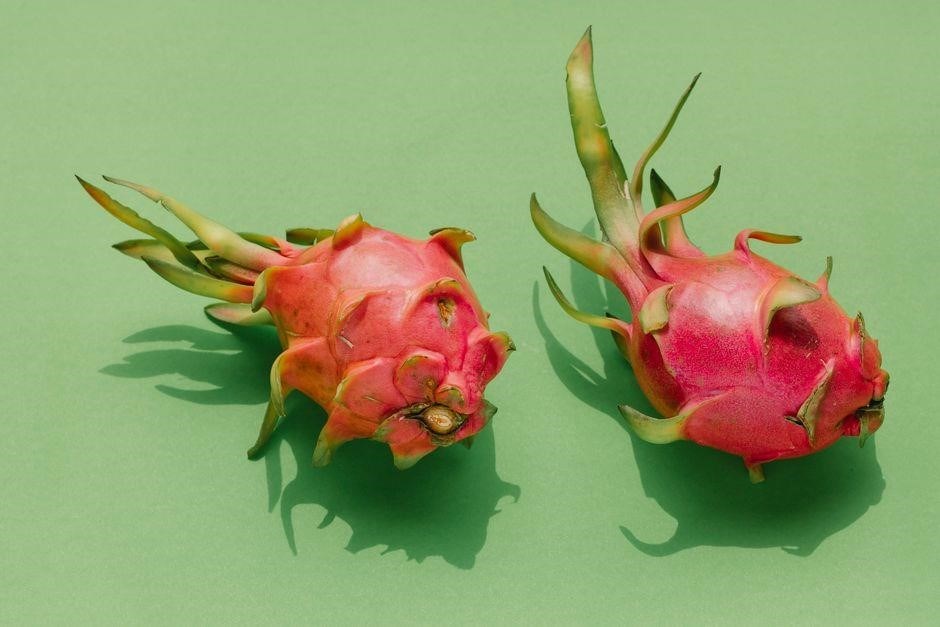
Viral and Bacterial Threats
Dragon fruit faces cactus viral illness, causing chlorotic streaks, and bacterial stem rot from Bacillus cactivora, leading to wilting. PDFs detail symptom checks, PCR diagnostics, and control: copper sprays, hot‑water dips, resistant varieties. Integrated care reduces losses.

Cactus Viral Illness in Dragon Fruit
Dragon fruit (Hylocereus spp.) is affected by a complex of cactus‑specific viruses, including Cactus Yellows Virus (CYV), Cactus Necrotic Spot Virus (CNSV), and Cactus Mosaic Virus (CMV). Infected plants develop interveinal chlorosis, leaf curling, stunted shoots, and reduced fruit set. Symptoms first appear on older foliage, then spread to new growth, often mimicking nutrient deficiencies. Accurate diagnosis requires RT‑PCR or ELISA kits; field sampling guidelines in the PDF recommend collecting leaf tissue from the mid‑section of symptomatic leaves, placing samples in RNAlater, and shipping on ice. Management strategies emphasize prevention: use of certified virus‑free planting material, strict sanitation of tools, and removal of infected plants to break the infection cycle. Vector control is critical; aphids and whiteflies are primary transmitters. The PDF recommends reflective mulches, sticky traps, and insecticide regimes timed with vector emergence. Chemical control of the virus itself is not possible; however, systemic protectants such as acibenzolar‑s methyl can enhance plant resistance, and copper‑based sprays can reduce secondary bacterial infections. Post‑harvest handling should incorporate hot‑water dips (45–50 °C for 5 min) to reduce viral load on fruit surfaces, followed by rapid cooling. The PDF also provides a decision tree for growers to assess infection severity, a risk‑assessment matrix for orchard management, and case studies from Australian and Chinese farms illustrating successful implementation of integrated disease management. Adoption of these evidence‑based practices can reduce yield losses by up to 30 % and preserve fruit quality. The PDF also outlines quarantine protocols, detailing how to isolate, disinfect, and monitor symptom emergence over a 12‑month. Field trials documented a 25 % yield increase when these measures combine in practice!!!
Bacillus cactivora is a bacterial pathogen causing stem rot in dragon fruit (Hylocereus spp.). Infected vines show wilting, brown lesions at the base, and stem collapse. Symptoms appear during the rainy season, when soil moisture facilitates bacterial spread through root exudates and pruning wounds. Diagnosis requires culturing on nutrient agar and 16S rRNA sequencing; the PDF guide gives a step‑by‑step protocol for sample collection and identification.
Management includes proper spacing, drainage, and removal of infected material. Copper‑based bactericides at 0.5 % and streptomycin at 0.2 % are recommended. Hot‑water treatment (45–50 °C for 5 min) of cuttings before planting reduces inoculum. Biocontrol agents like Bacillus subtilis compete with B. cactivora and induce resistance. Post‑harvest washing with 0.1 % sodium hypochlorite and drying in low‑temperature conditions prevents secondary infections.
Case studies from Australian and Guizhou farms show a 35 % yield increase when cultural, chemical, and biological practices are combined. The PDF contains a decision tree for severity assessment, a risk‑assessment matrix, and a treatment timeline. Following these protocols mitigates stem rot, preserves vine vigor, and maintains fruit quality.
Economic impact estimates show stem rot can reduce yield by up to 25 % and increase post‑harvest losses by 15 %. Scouting every two weeks during the growing season, coupled with a digital app for symptom logging, improves early detection. Quarantine measures require isolation for 12 months and equipment disinfection with 70 % ethanol. Research into resistant cultivars shows partial tolerance in Hylocereus undatus hybrids. Trials ongoing!!!
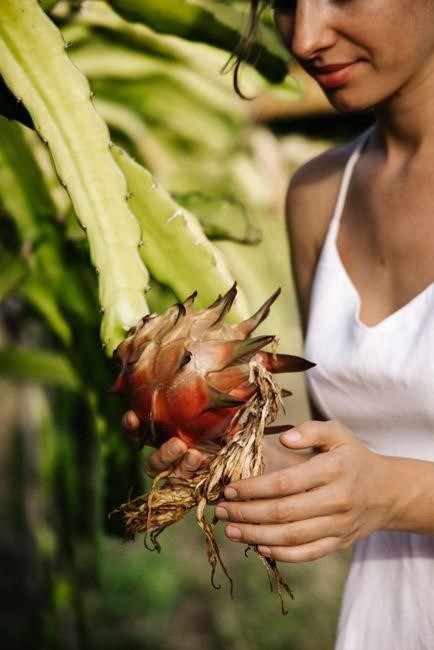
Invertebrate Infestations Resembling Diseases
Scale insects and ants mimic disease symptoms on dragon fruit, causing leaf distortion stunted growth. Isopropyl alcohol wipes and ant control eliminate infestations. Fruit fly eggs are detected harvest; removal prevents larval damage. PDF guides detail treatments!
Scale Insects (Coccoidea) and Ants
Scale insects, belonging to the superfamily Coccoidea, are among the most common pests affecting dragon fruit (Hylocereus spp.); These tiny, sap‑sucking insects attach to leaves, stems, and fruit, forming protective waxy or mealy coatings that obscure the plant’s surface and give the appearance of fungal or bacterial infection. The presence of scales often coincides with a honeydew excretion that attracts ants, creating a mutualistic relationship that further stresses the plant. Scale infestations can lead to leaf yellowing, stunted growth, reduced fruit set, and in severe cases, plant death. Ants, attracted by the honeydew, tend to protect the scales from natural predators, thereby increasing the pest population. Ant activity also facilitates the spread of other pathogens by moving between plants. Effective management, as outlined in recent PDF guides, includes removal of scales using a soft brush or a spray of isopropyl alcohol which dissolves the protective coating kills the insects. Ant control is achieved through barrier sprays, sticky traps, targeted insecticide applications that disrupt ant colonies without harming beneficial insects ensuring growers can implement treatments that are both effective and environmentally responsible. The PDF resources provide detailed threshold levels, application rates, and safety precautions, ensuring growers can implement treatments that are both effective and environmentally responsible. By combining cultural practices, chemical controls, and biological agents, growers can suppress scale populations and mitigate the indirect damage caused by ant activity thereby preserving plant vigor and fruit quality.
Fruit Fly Eggs and Larvae
Fruit flies (Diptera: Tephritidae) are a pervasive post‑harvest pest of dragon fruit, laying eggs in the fruit’s flesh. The larvae feed internally, creating tunnels that compromise fruit quality and facilitate secondary infections. In Australia, the Queensland fruit fly (Bactrocera tryoni) and the Mediterranean fruit fly (Ceratitis capitata) are most frequently reported. According to recent PDF guides, the optimal detection window is 24–48 h after oviposition, when eggs are visible under a hand lens. Early intervention is critical; a single larva can cause up to 30 % loss in marketable yield. Management strategies outlined in the PDF include: (1) pre‑harvest sanitation—removal of fallen fruit and pruning of damaged branches; (2) use of bait traps containing protein‑based lures to monitor adult populations; (3) application of organophosphate or pyrethroid insecticides at the pre‑harvest stage, following label rates of 0.1–0.3 % active ingredient; (4) post‑harvest hot‑water treatment (45–50 °C for 30 s) which kills eggs and early‑instar larvae without altering flesh texture; (5) use of biological control agents such as the parasitoid wasp Diaeretiella rapae, which parasitizes eggs and reduces larval survival; and (6) implementation of a “no‑harvest” period during peak adult flight to reduce infestation pressure. The PDF also recommends integrating pheromone‑based mating disruption, which has shown a 70 % reduction in adult emergence in field trials. For growers, the guide provides a decision‑tree algorithm that incorporates temperature, humidity, and adult density thresholds to trigger specific control measures. By combining these tactics, producers can achieve a 90 % reduction in fruit fly damage, thereby preserving both yield and fruit quality. Additionally, the PDF highlights the importance of worker training, ensuring that harvesters inspect fruit for signs of infestation and report any anomalies promptly. It also discusses the legal quarantine measures required for exporting dragon fruit from infested regions, including mandatory inspection and certification. The guide emphasizes that integrated pest management (IPM) is the most sustainable approach, reducing reliance on chemical controls and preserving beneficial arthropods. Finally, the PDF includes a glossary of terms and a list of recommended suppliers for bait, insecticides, and biological agents, making it a comprehensive reference for both novice and experienced growers.
Diagnostic Techniques and PDF Resources
Field scouting, visual symptom checks, and PCR kits are standard. Post‑harvest, use hot‑water tests and microscopic inspection. PDFs provide step‑by‑step guides, sample collection protocols, treatment charts. Downloadable resources are available on majoragri‑scienceportals.

Field Diagnosis Methods for Dragon Fruit Diseases
Field diagnosis begins with systematic scouting of canopy and fruit. Growers inspect for leaf spots, stem lesions, and fruit discoloration, noting size, shape, and distribution. A simple visual key distinguishes Colletotrichum canker (brown, sunken lesions on stems) from Neoscytalidium rot (black, water‑soaked fruit). For suspected viral or bacterial infections, a leaf‑swab is taken and stored at 4 °C before laboratory analysis. Polymerase chain reaction (PCR) assays targeting the ITS region of Colletotrichum or the 16S rRNA gene of Bacillus cactivora provide rapid confirmation. In the field, a portable handheld microscope can detect fungal conidia or bacterial colonies on leaf surfaces. Scale insects are identified by their waxy, translucent bodies and the presence of honeydew trails; ant activity is noted by trail lines on stems. Fruit fly infestation is suspected when fruit shows puncture wounds and a sweet odor; eggs are collected in a 70 % ethanol solution for microscopic counting. Post‑harvest, a hot‑water test (50–55 °C for 5 min) can reveal latent pathogens before shipment. All sampling protocols and interpretation charts are summarized in downloadable PDF guides that include image libraries, symptom diagrams, and recommended treatments. These resources enable growers to make evidence‑based decisions, reduce chemical use, and improve yield quality. Additionally, integrating remote sensing imagery and drone‑based thermal scans can detect early canopy stress, allowing preemptive interventions. This approach enhances detection!!!
Post-Harvest Diagnosis and Treatment Guides in PDF
After harvest, dragon fruit undergoes rapid physiological changes that can mask latent infections. A standardized post‑harvest diagnostic protocol begins with a visual inspection for surface lesions, bruises, or fungal mycelium. The fruit is then subjected to a hot‑water immersion test (50–55 °C for 5 min) to trigger latent pathogen growth; any emerging hyphae or bacterial colonies are recorded. For fungal confirmation, a small tissue sample is placed on potato dextrose agar and incubated at 25 °C; colony morphology and spore size are compared to reference images in the PDF manual. Bacterial detection employs a selective medium enriched with 1 % mannitol; colonies turning yellow indicate Bacillus cactivora. The PDF guide also outlines a gamma‑irradiation protocol (0.5–1 kGy) that effectively reduces post‑harvest rot without compromising fruit quality. Storage recommendations include maintaining 12–14 °C with 85–90 % relative humidity and using modified‑atmosphere packaging to extend shelf life. The manual provides a decision tree that correlates symptom severity with recommended treatments, ensuring growers apply the most effective intervention. Additionally, the PDF includes a troubleshooting section for common misdiagnoses, such as distinguishing fungal rot from insect damage, and a checklist for quarantine compliance. By following these evidence‑based steps, producers can minimize post‑harvest losses, meet export standards, and maintain consumer confidence.

The PDF also features a section on rapid on‑site testing kits, such as lateral flow immunoassays that detect specific pathogen antigens within 15 minutes. These kits are ideal for growers who need immediate decisions before dispatch. Furthermore, the guide recommends periodic calibration of storage temperature loggers and the use of data loggers to track fluctuations that could promote pathogen proliferation. The inclusion of a cost‑benefit analysis table helps growers evaluate the economic impact of different treatment options, balancing initial investment against potential revenue loss. Finally, the PDF provides links to international regulatory guidelines for phytosanitary certification, ensuring that treated fruit complies with import requirements in major markets like the EU, Japan, and the United States. This comprehensive resource empowers growers to implement a full post‑harvest disease management plan that is both scientifically validated and practically applicable.
 ten commandments coloring pages pdf
  two kinds pdf
  alpha gal diet pdf
  the house across the lake pdf
  heard on the wall street pdf
  locating the epicenter of an earthquake worksheet pdf answer key
 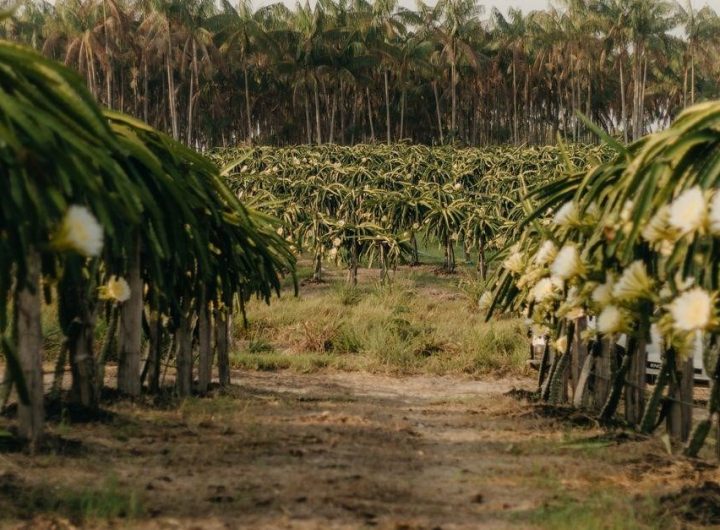 dragon fruit diseases and treatments pdf
  quantum stylist 9960 manual
  spider man ps4 trophy guide
  mizuno shoe size guide